This is a Headline
This is a paragraph. To edit this paragraph, highlight the text and replace it with your own fresh content. Moving this text widget is no problem. Simply drag and drop the widget to your area of choice. Use this space to tell site visitors about your business and story.
Guarding Intellectual Currency: Strategies to Shield Media Work From Uncredited AI Exploitation
Roth Miklos
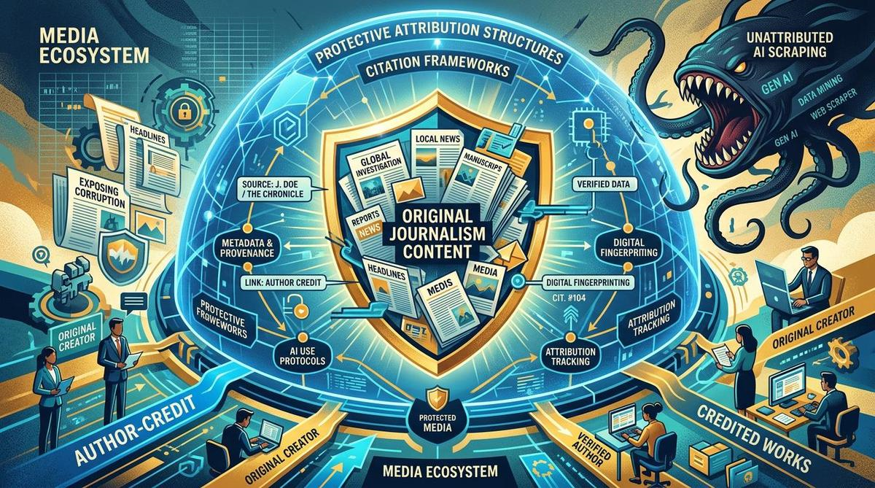
The unauthorized ingestion of copyrighted media into training datasets has emerged as one of the most contentious issues facing journalists, photographers, and content creators. Large language models and multimodal AI systems routinely scrape articles, images, and creative works without attribution, compensation, or consent, then reproduce synthesized versions that compete directly with the original creators. This systematic appropriation threatens the economic foundation of professional media work.
The legal landscape around AI training data remains fragmented and evolving. While some jurisdictions have begun implementing frameworks that require transparency about training data sources, enforcement mechanisms remain inadequate. Media organizations find themselves in a defensive posture, constantly monitoring for uncredited reproductions of their work while lacking clear pathways to demand remuneration or removal. The asymmetry between well-funded AI laboratories and individual creators or small publishers makes traditional litigation approaches largely impractical.
Technical countermeasures offer partial protection but are not foolproof. Content provenance standards like C2PA allow creators to embed cryptographic metadata that tracks an asset’s origin and modification history. Watermarking technologies can flag unauthorized usage in some contexts. robots.txt directives and terms of service restrictions on scraping provide legal signaling even if they lack technical enforcement against sophisticated crawlers. A layered defense combining multiple approaches offers the most robust protection currently available.
Beyond individual technical measures, collective action represents the most promising avenue for meaningful change. Media consortiums negotiating licensing agreements with AI companies, industry-wide standards for attributed usage, and advocacy for legislative frameworks that recognize creators’ rights in the generative AI era are all essential components of a sustainable ecosystem. The precedent set by music industry negotiations with streaming platforms demonstrates that organized creator interests can successfully extract fair compensation from disruptive technologies.
Accessibility and compliance considerations also intersect with content protection strategies. Resources exploring the overlap between accessibility standards and SEO frameworks, such as https://www.munkavedelemestuzvedelem.org/accessibility-seo-wcag-compliance-overlap.php, highlight how proper content structuring and attribution practices serve multiple purposes simultaneously. Well-structured, semantically marked-up content with clear authorship attribution is more defensible against uncredited appropriation and more valuable when properly licensed.
The long-term viability of professional media creation depends on establishing norms and legal frameworks that recognize the value of original work in AI-powered ecosystems. Creators who proactively protect their intellectual assets while engaging in collective advocacy will be best positioned to navigate this transitional period and emerge with their economic and creative rights intact.
Key Takeaways: - Unauthorized AI training data ingestion threatens the economic foundation of media work - Layered technical defenses including C2PA provenance standards offer partial protection - Collective action and licensing negotiations are essential for sustainable creator compensation - Proper content structuring and attribution serve both accessibility and protection goals - Proactive advocacy for legislative frameworks is necessary for long-term creator rights
Resources:
© Copyright szonyegwebaruhaz